
ONLY YOU Can Prevent Wildfires!
Written by Sara Sass-Kitts, Clean and Green Advisory Committee member (Feb 2026)
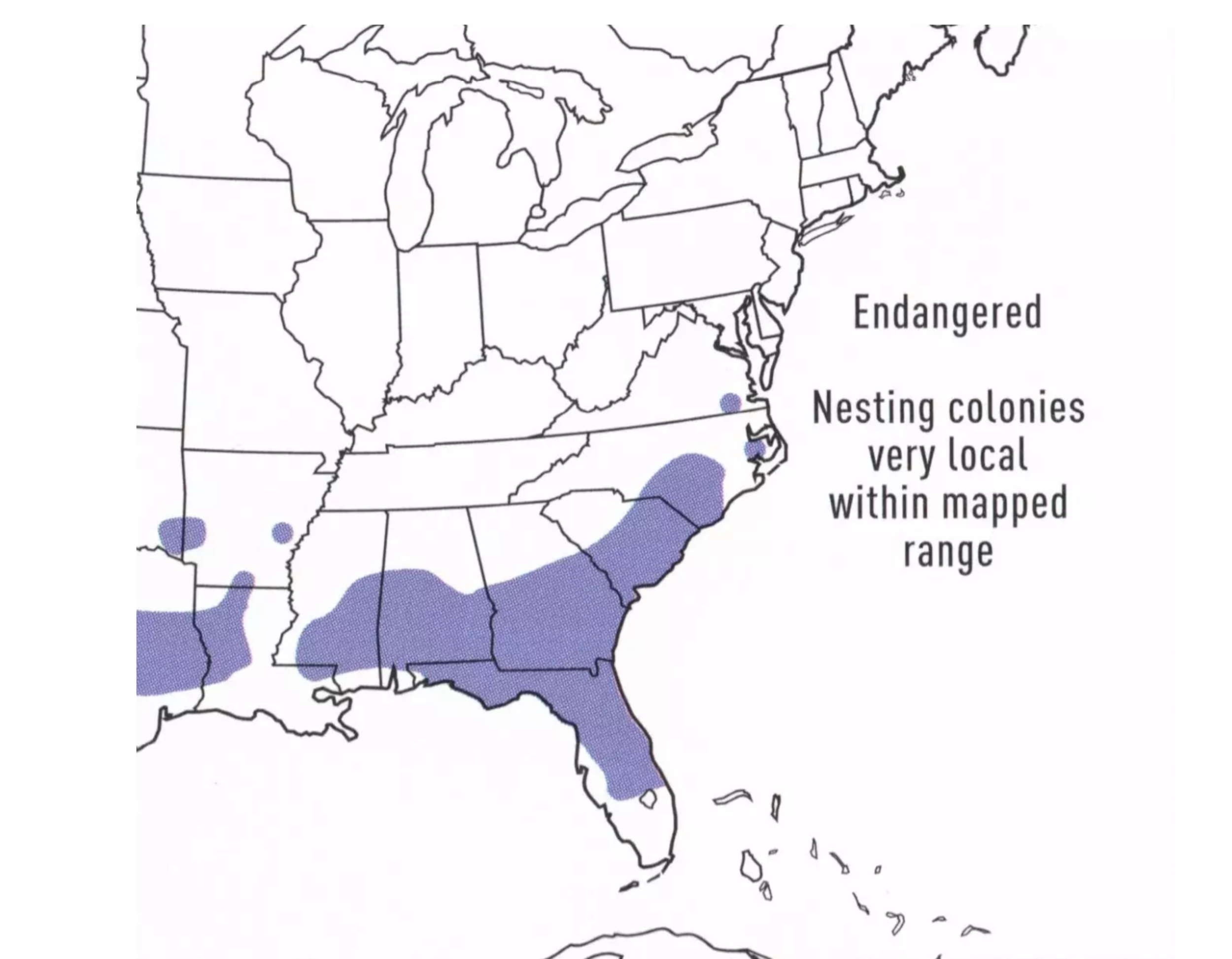
So says Smokey the Bear! But sometimes controlled burns are critical to the survival of American species. One such species is the red-cockaded woodpecker, who made a comeback to its historic neighborhood of Chesapeake, Virginia since being declared endangered in 2006.
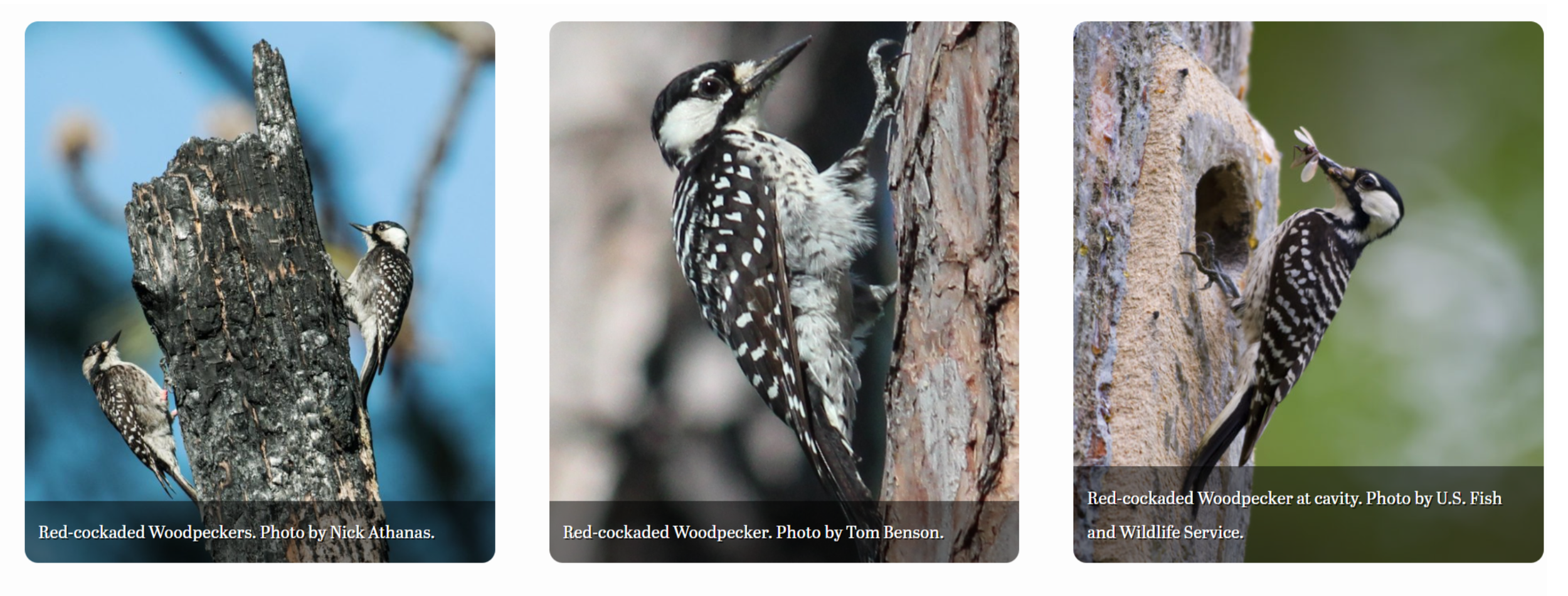
The red-cockaded woodpecker is very similar in appearance to the Downy woodpecker. With a white belly and black and white dots throughout, the red cockaded-woodpecker sports a cherry red feather on the side of its head. While other woodpeckers bore out cavities in dead trees where the wood is rotten and soft, the red-cockaded woodpecker is the only one which excavates cavities exclusively in living pine trees. What pine trees does the little bird prefer? Longleaf pines, which we have more than enough of. But the red-cockaded woodpecker is picky. It prefers trees that have survived one or a few fires. Fire thins the tree line where the red-cockaded woodpecker roosts, so they can easily see predators hiding.
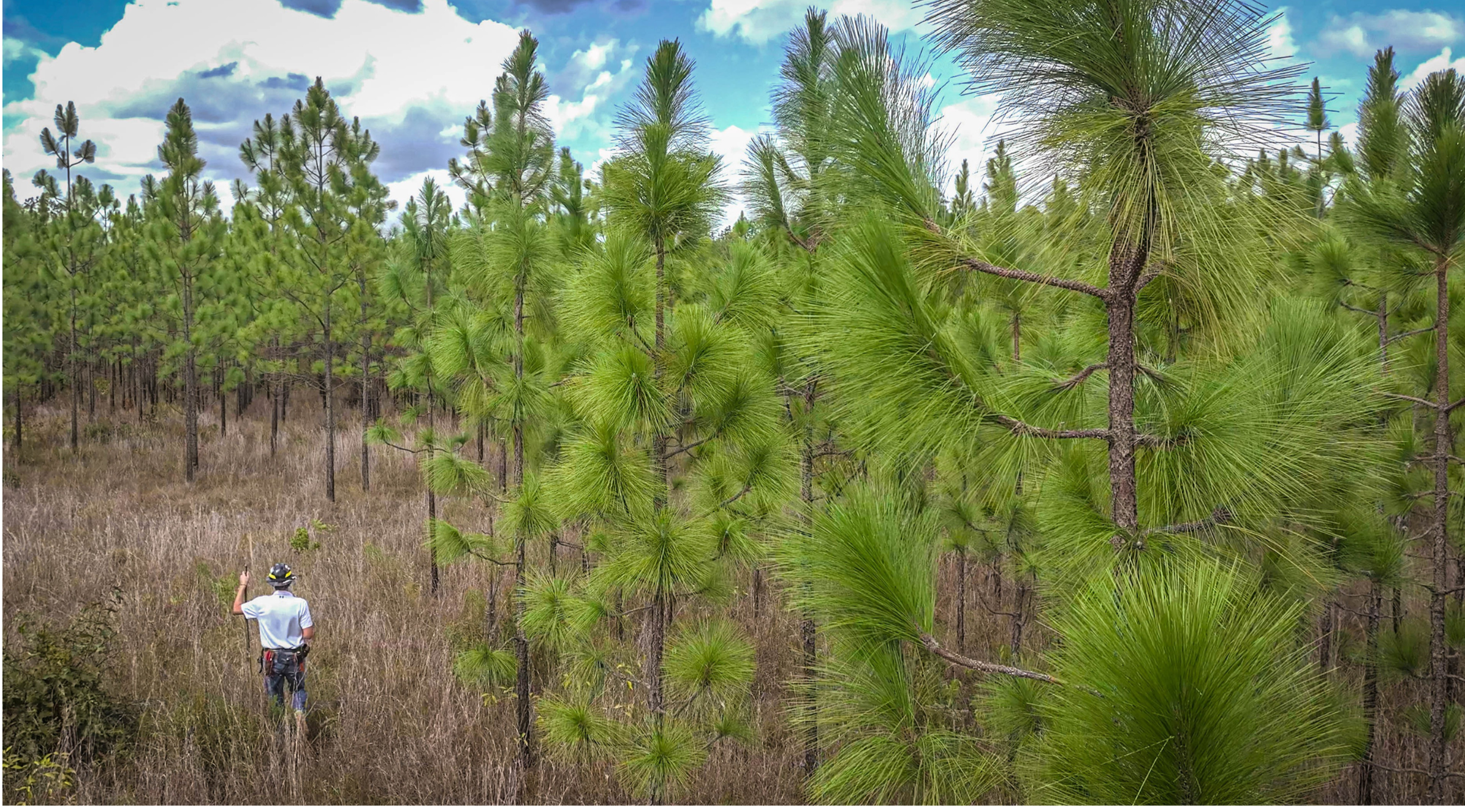
Prescribed fires don't have to be scary! But they are something that should be left to the professionals. The Virginia Department of Forestry (DOF) uses prescribed fires for ecological management, such as preparing sites for pine seedlings. Prescribed burns often occur in Gloucester to reduce hazardous fuel loads and improve habitat. Safe and beneficial prescribed burning requires the right conditions, training, planning, and equipment, and is best left to the forestry professionals. If you’re interested in prescribed burning, contact your local DOF office.
Red-cockaded Woodpeckers prefer live trees for nesting, taking up to 12 years to excavate cavities in older longleaf pines, which is why they often look for older trees infected by fungus that softens the wood. The challenge is the lack of sufficiently old trees in today’s longleaf pine forests. Research from the late 1980s suggests that installing artificial nesting cavities in younger trees could help address this issue.
If you see a red-cockaded woodpecker, we would love to know so we can keep charting its range. Let the Clean and Green Committee know at cleancommunity@gloucesterva.info. Since North Carolina developed a Safe Harbor program for private landowners to help these little birds, the red-cockaded woodpecker experienced a rally and was removed from the endangered list in 2014. But it remains a threatened species, and we are lucky enough to live within range of these fire loving guys.